

There was a time not too long ago when building a Wisconsin men’s basketball roster meant recruiting players who would spend four or five years in the program, develop within the system, and eventually become the next group responsible for carrying its traditions forward.
That version of college basketball is becoming increasingly difficult to sustain, and the further we get from it, the harder it is to remember.
Greg Gard knows it. And entering his 12th season leading the Badgers, he’s made it clear that Wisconsin isn’t going to spend its time wishing things were different.
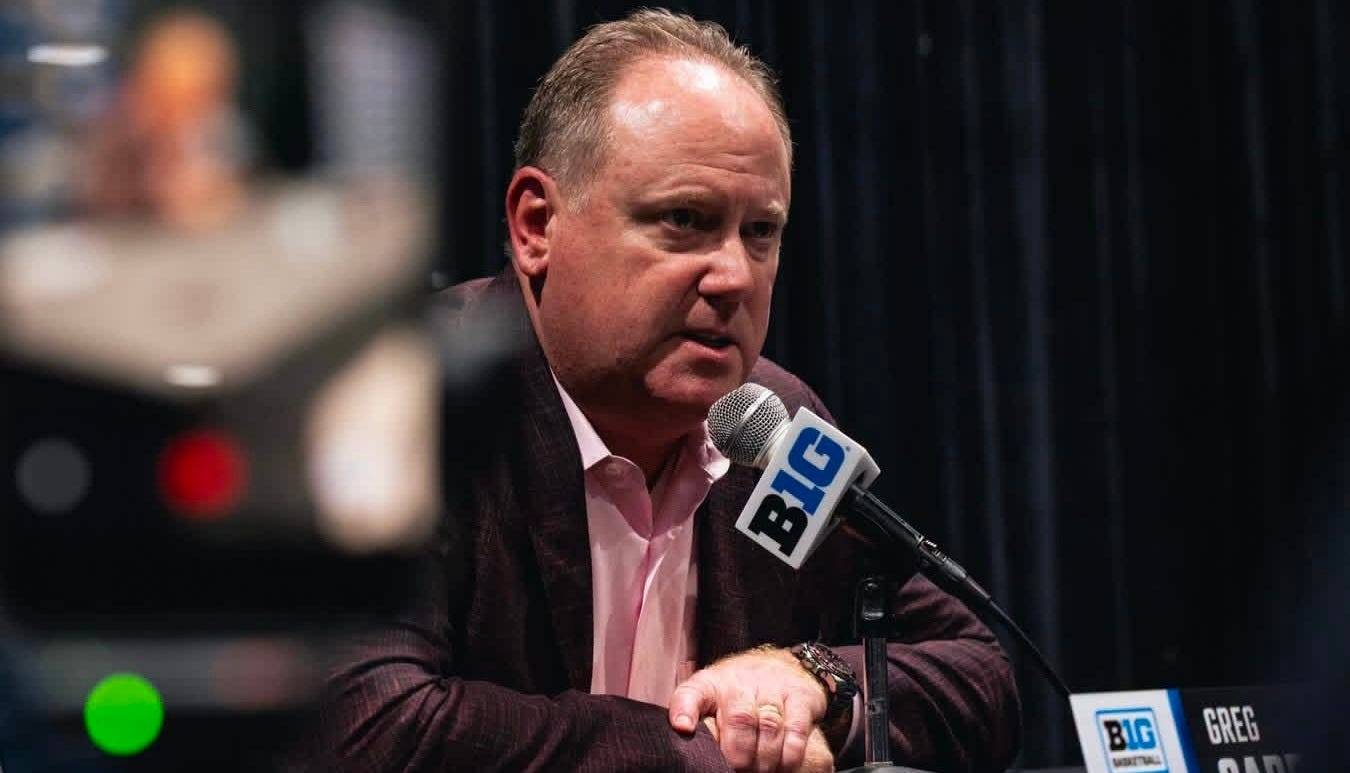
Speaking at Big Ten Media Days in Rosemont, Illinois, Gard discussed how his approach to roster construction has evolved, why player development remains central to Wisconsin’s identity, and what it takes to maintain the program’s standards in an era of constant turnover.
“I don’t think we can get caught worrying about the past,” Gard said. “We can obviously revel in it and talk about how good it was and how fun those were.”
That doesn’t mean Gard has abandoned what made Wisconsin successful.
He still wants players who value the university, earn their degrees from a world-class institution, and build relationships that extend beyond their playing careers. But Gard also understands why players pursue opportunities elsewhere, particularly when significant money is involved.
“You can’t fault the players who are moving that are able to do that for financial reasons,” Gard said.
The challenge is finding a way to preserve what Wisconsin basketball has traditionally stood for while accepting that the methods required to sustain it have changed.
“I think that’s been the one thing that our program has been able to do really well is evolve and continue to stay tethered to the traditions and the history that we’ve had,” Gard said. “But at the same time we know we’re going to have to continue to get better and improve and tweak some things here and there.”
There’s evidence that approach has worked.
Wisconsin won 24 games last season, finished fifth in the Big Ten and produced a top-10 offense nationally in KenPom’s adjusted offensive efficiency rankings. The Badgers also beat eventual Final Four participants Michigan and Illinois during the regular season.
But the roster that accomplished those things looks considerably different now. There are eight new players on this re-tooled roster.
Nick Boyd and John Blackwell are gone. Gard retained an established frontcourt featuring Nolan Winter and Austin Rapp, then supplemented it with transfers and international additions like Owen Foxwell from the Australian NBL, who will be asked to contribute immediately.
The personnel has changed, but Gard believes the developmental responsibility hasn’t.
“I think trying to continue to push, whether we’re going to have you for five years or five months, here’s our plan to make you better,” Gard said. “And our staff has done a phenomenal job of developing players and putting them in position to really shine with us.”
That philosophy helps explain Wisconsin’s interest in players like Eian Elmer and Trey Autry.
Elmer arrives after helping Miami (OH) win 32 games last season, bringing proven perimeter shooting and experience in a winning environment. Autry has more than 100 college games under his belt and grew up around the sport with his father, Adrian Autry, now coaching at Virginia.
For Gard, those backgrounds matter.
“Winning translates,” Gard said. “I don’t care what league you’re in. Those habits and that culture translates. They understand what winning looks like.”
It’s also why Wisconsin’s retention of Winter and Rapp was so important.
In a sport where roster continuity has become increasingly difficult to maintain, both provide an established foundation for a team still figuring out how its new pieces fit together.
Gard isn’t pretending the transition will be seamless. Wisconsin may not have the same financial resources as some of the Big Ten’s biggest spenders. Regardless, the Badgers have shown they can remain competitive by identifying the right players, developing them, and adapting to the realities of modern roster construction.
The expectation hasn’t changed simply because the sport has.
“And as the world changes, we’ve got to keep changing with it,” Gard said.
We appreciate you taking the time to read our work at BadgerNotes.com. Your support means the world to us and has helped us become a leading independent source for Wisconsin Badgers coverage.
You can also follow Site Publisher Dillon Graff at @DillonGraff on X.